

Companies and Spices

Companies and Spices
The English and Dutch East India Companies were some of the most important organizations in global history. Founded in 1600 and 1602 respectively, the companies were created to break into the rich Asian trading environment. To do so, they were equipped with expansive powers to engage in war and diplomacy. The companies used these powers to carve out a foothold for European empire in Asia with the Dutch Company in particular seizing territory across modern-day Indonesia. The Companies were also bitter rivals and their fight to secure control over the spice trade would provide the backdrop for the Amboyna conspiracy trial.
Documents & Topics

The Rise of the Company-State
The companies were the world’s first multi-nationals and they laid the basis for every modern corporation. They were also more powerful than any modern company, possessing the right to engage in conduct diplomacy, wage war and seize territory.
Anglo-Dutch Rivalry in Asia
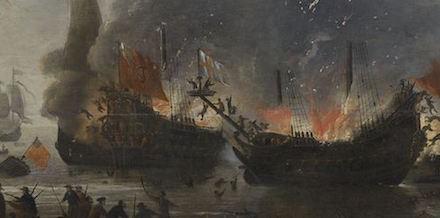
Amboyna was a product an ongoing and ferocious competition between the Dutch and the English companies. This rivalry extended to all aspect of the companies activities in Asia from trade to diplomacy.
Race For Spices
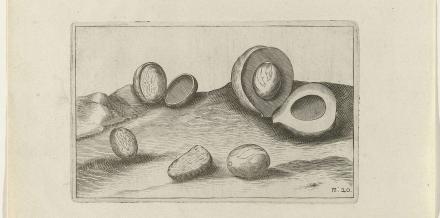
Spices were some of the most lucrative commodities of the seventeenth century and they set in motion a race of control in the early seventeenth century that drove Europeans merchants to send ships half way across the world to the remote Spice Islands of Southeast Asia.
Treaties, Trade and Violence
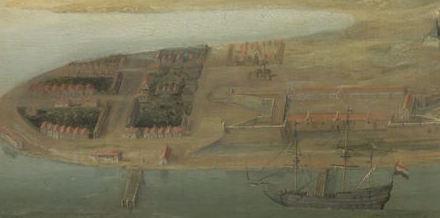
The Dutch East India Company attempted to gain control over the spice trade by using treaties that pledged VOC protection in return for a guarantee by local rulers or authorities to hand over all their spices to the Dutch. These treaties were invariably accompanied by violence as the company moved to enforce their provisions via the use of force.